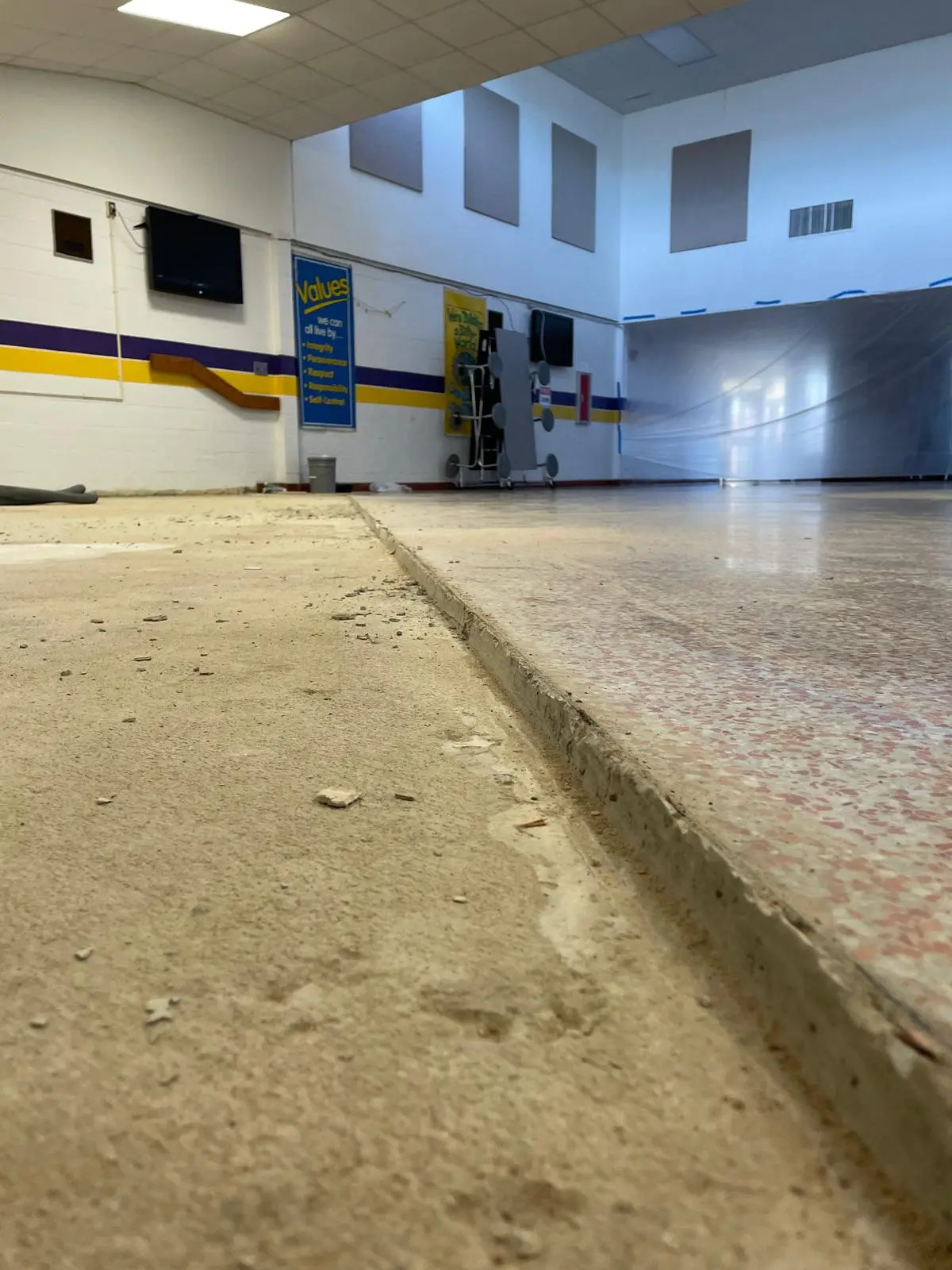
Eliminate raised concrete edges, uneven joints, and sidewalk trip hazards quickly and cost-effectively — without breaking out and replacing the slab. Serving Goldsboro, Mount Olive, Fremont, Pikeville, Dudley, Smithfield, Selma, Clayton, Wilson, Kinston, and the surrounding Wayne County area.
Tell us about your project — we'll get back to you fast.
Every concrete tripping hazard grinding project follows our proven step-by-step process — built for quality, transparency, and results you can see.
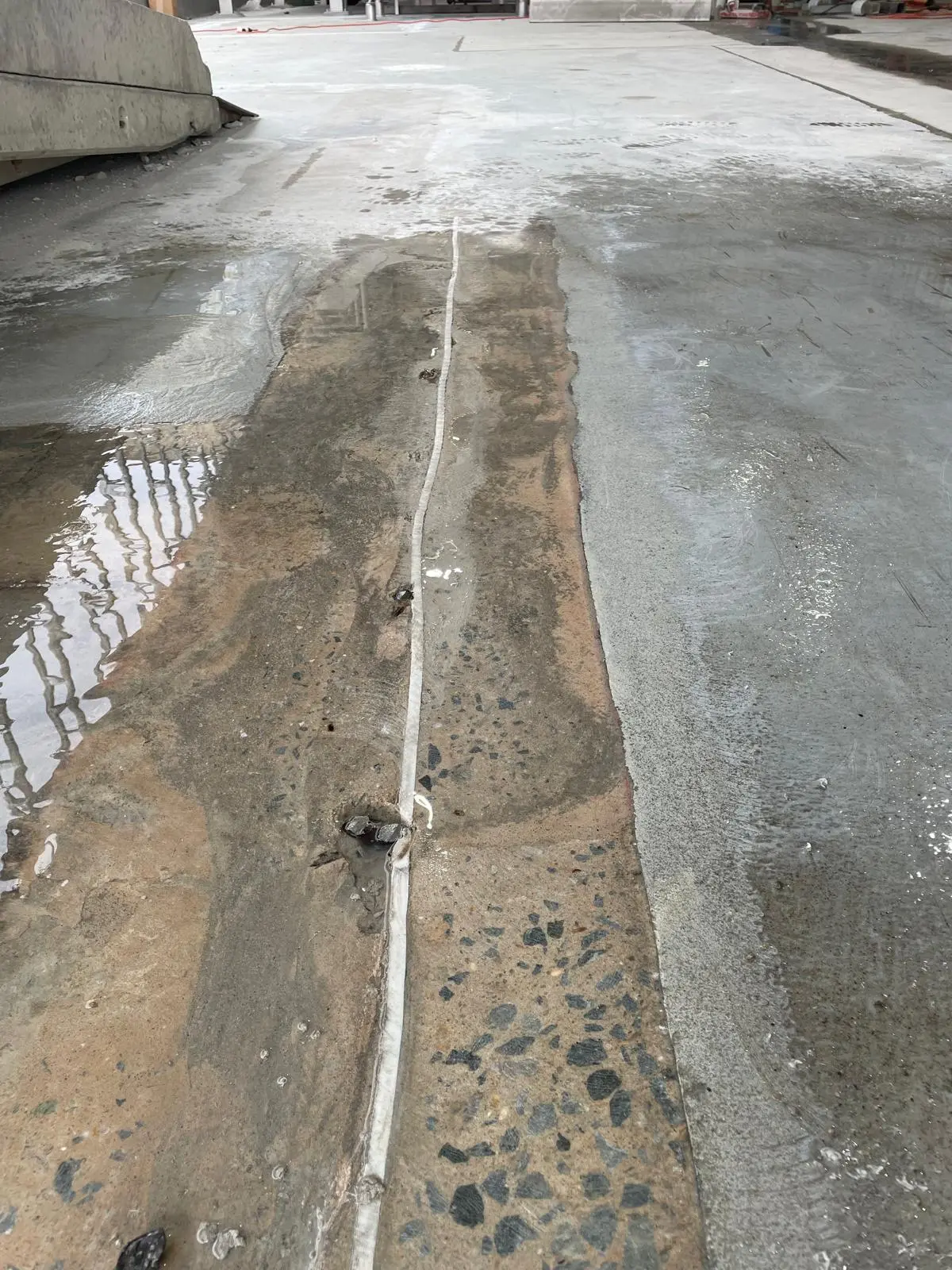
We walk the property and identify all trip hazard locations, measuring height differentials and assessing the taper needed at each point. You receive a clear scope of work and quote before we start.
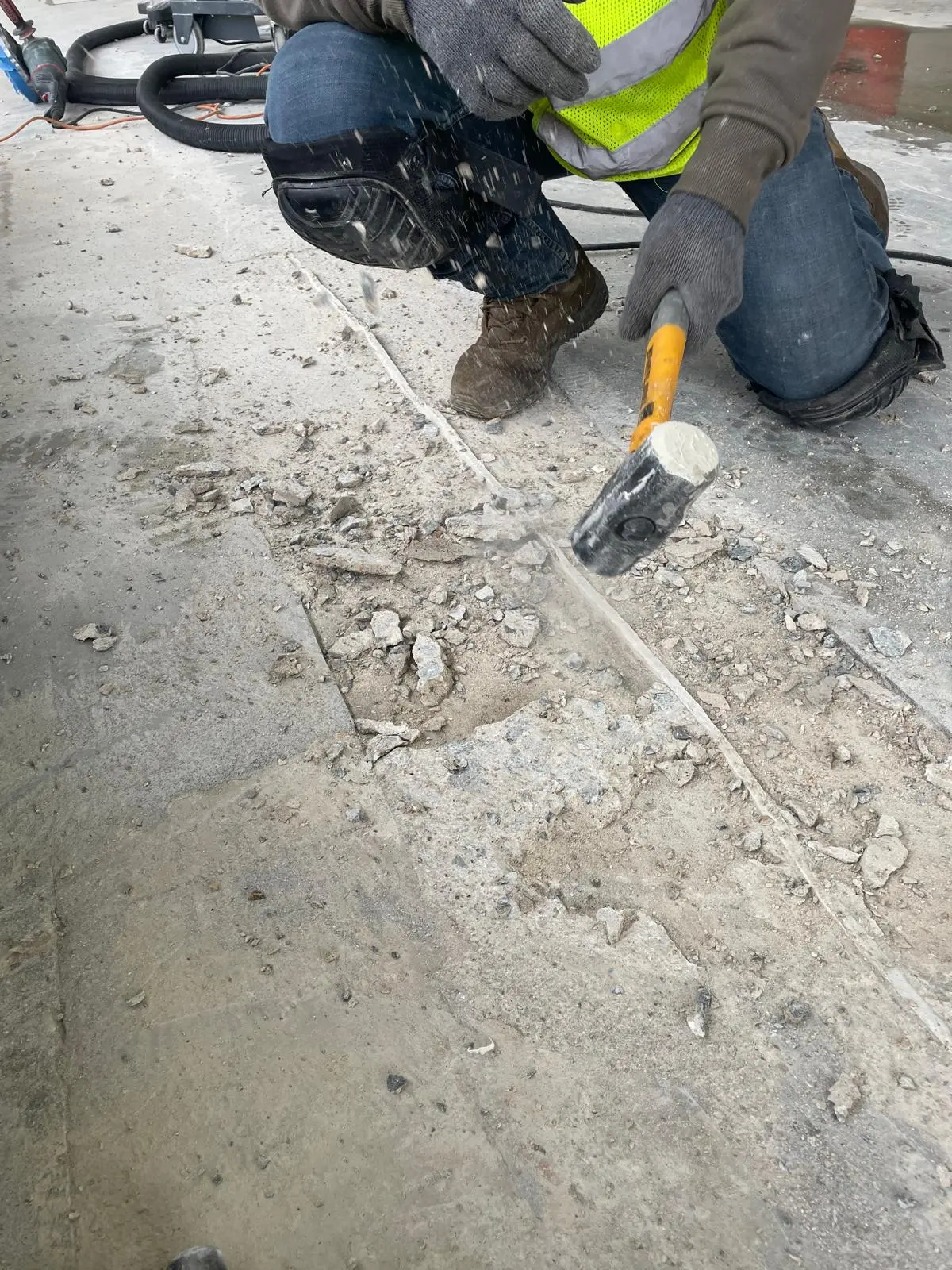
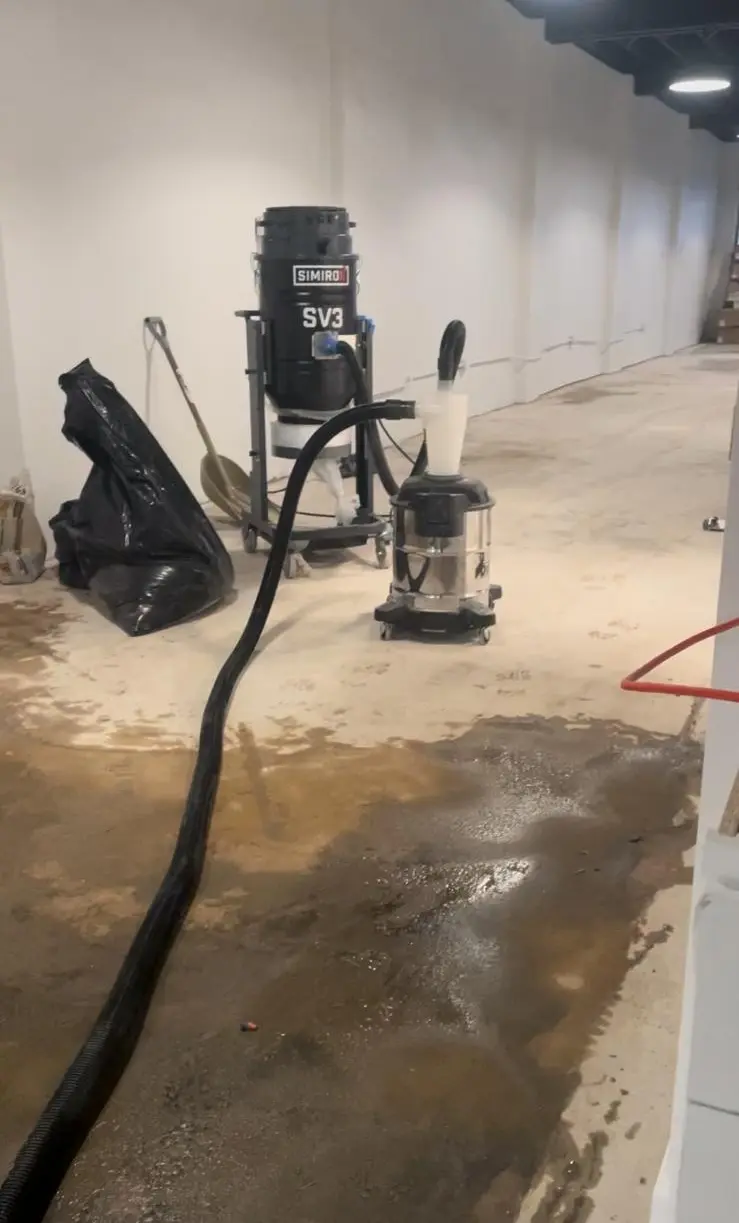
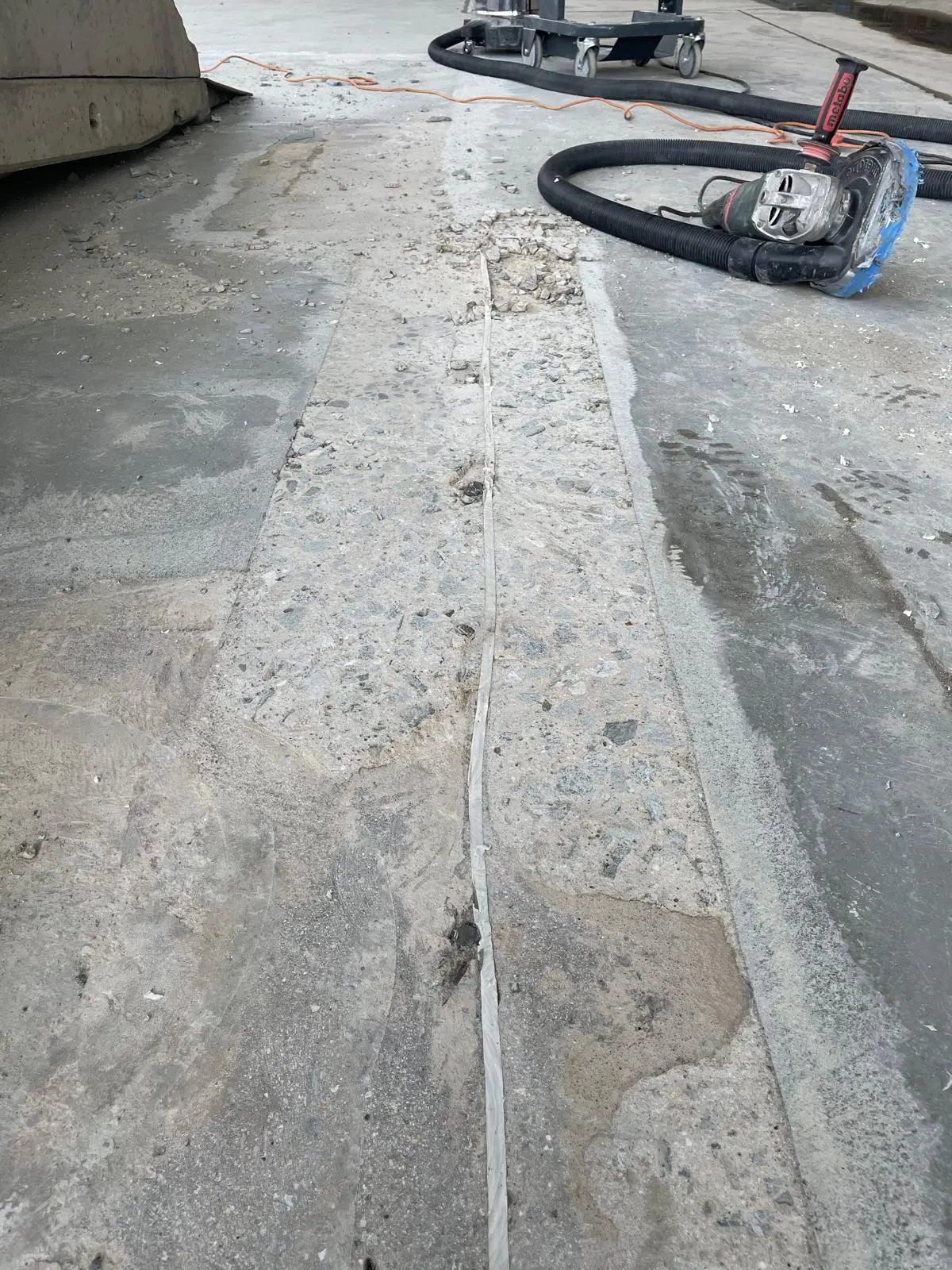
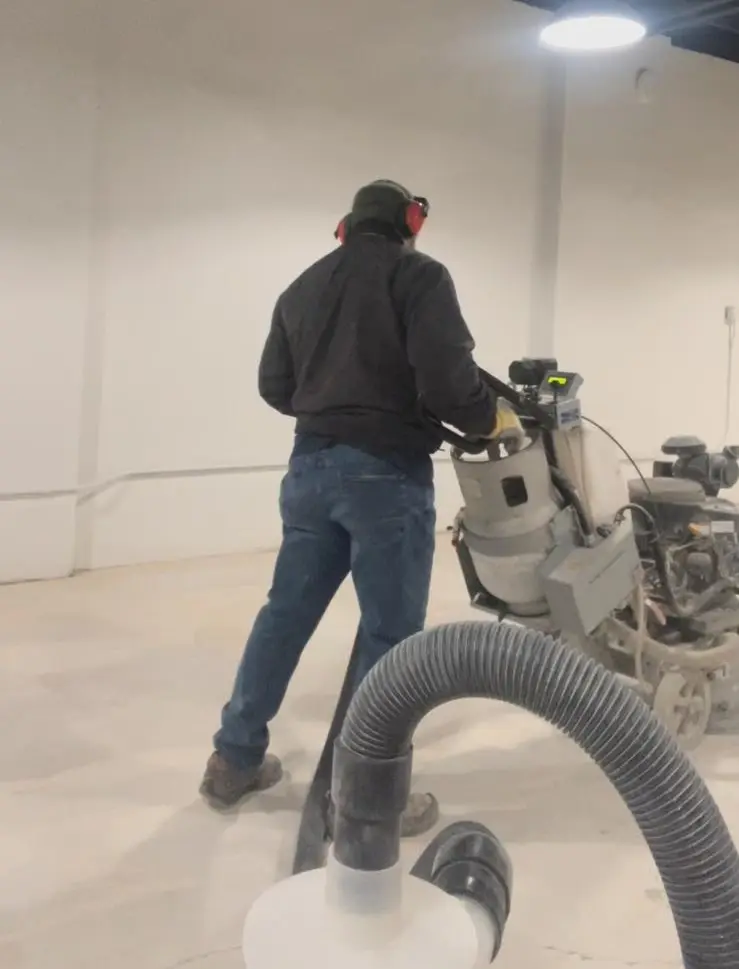
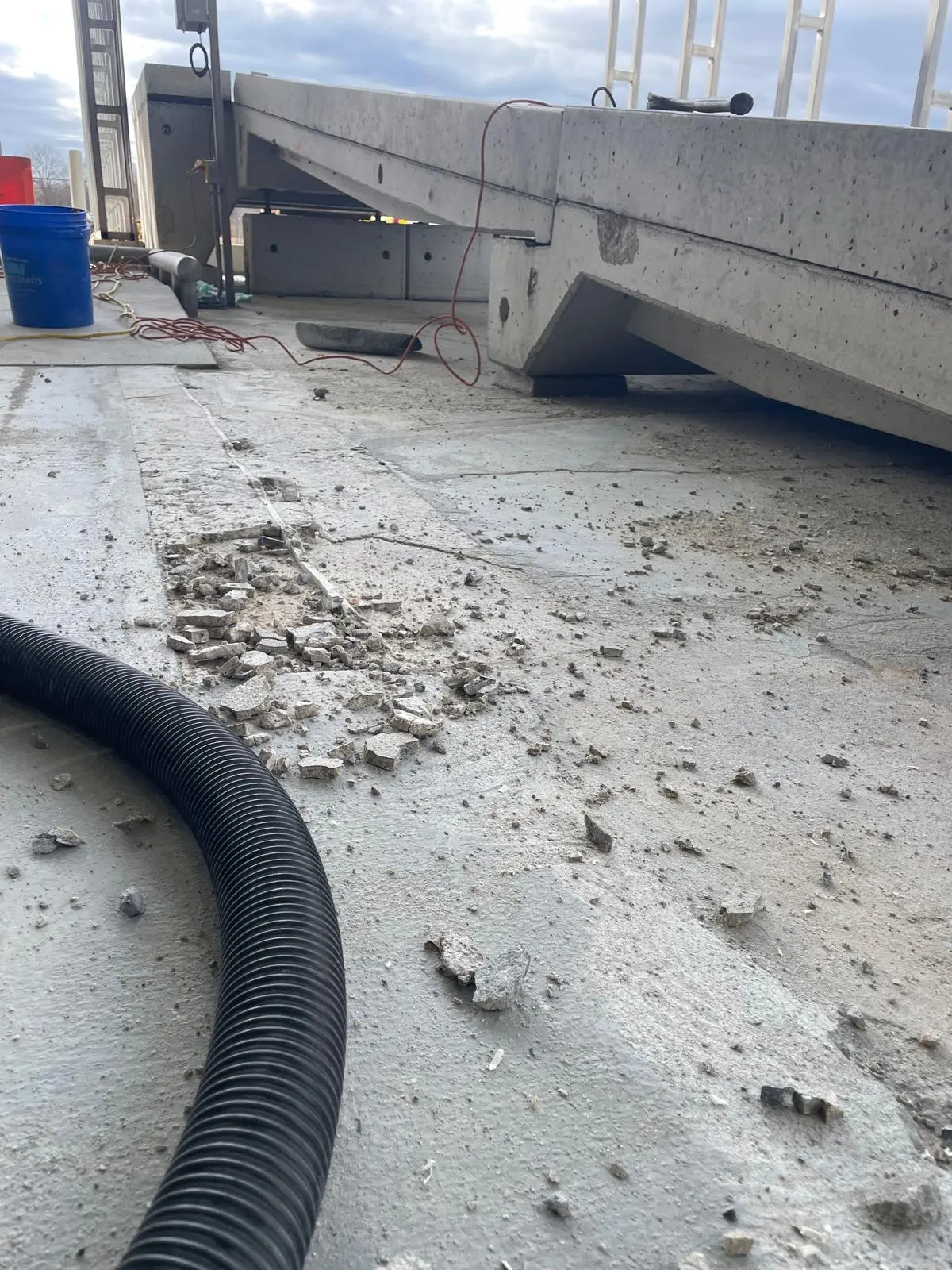
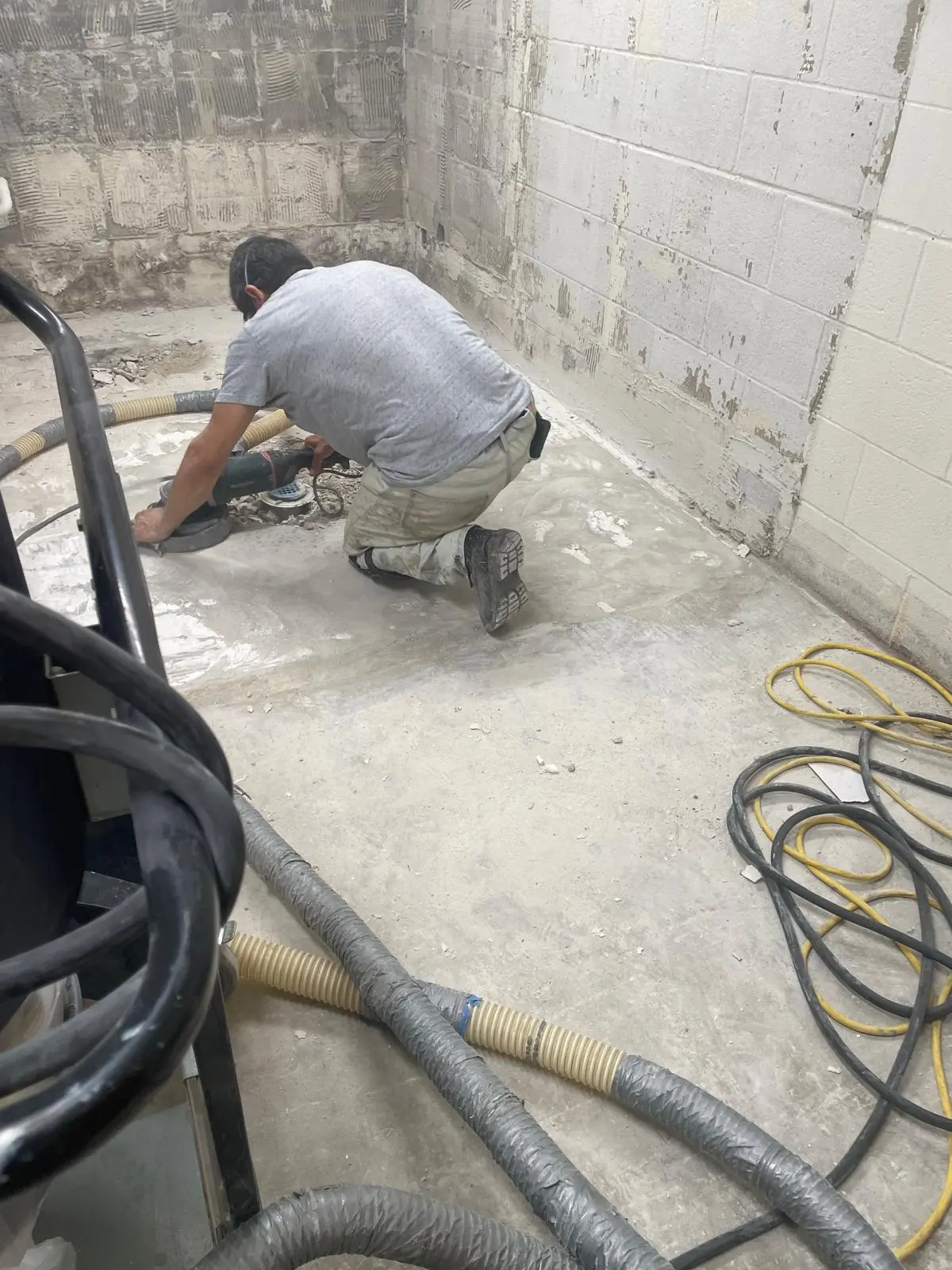
Using commercial diamond grinding equipment, we grind the raised concrete edge down to a smooth, tapered transition flush with the lower slab. Each hazard point is corrected to ADA-compliant specifications.
Grinding debris is cleaned from the work area. We walk every corrected location to confirm the transition is flush, smooth, and safe before completing the job.
For commercial and municipal clients, we can provide before/after photos of each corrected hazard location for your liability and compliance records.
Uneven concrete is one of the leading causes of preventable trips and falls. Over time, sidewalk panels lift, expansion joints become uneven, and slab edges settle at different heights — creating abrupt edges that catch feet and create serious liability for property owners.
The traditional fix — breaking out the affected panel and pouring new concrete — is expensive, disruptive, and often overkill when the slab structure itself is sound. Trip hazard grinding is a faster, more cost-effective solution that addresses the problem directly.
What Is Trip Hazard Grinding?
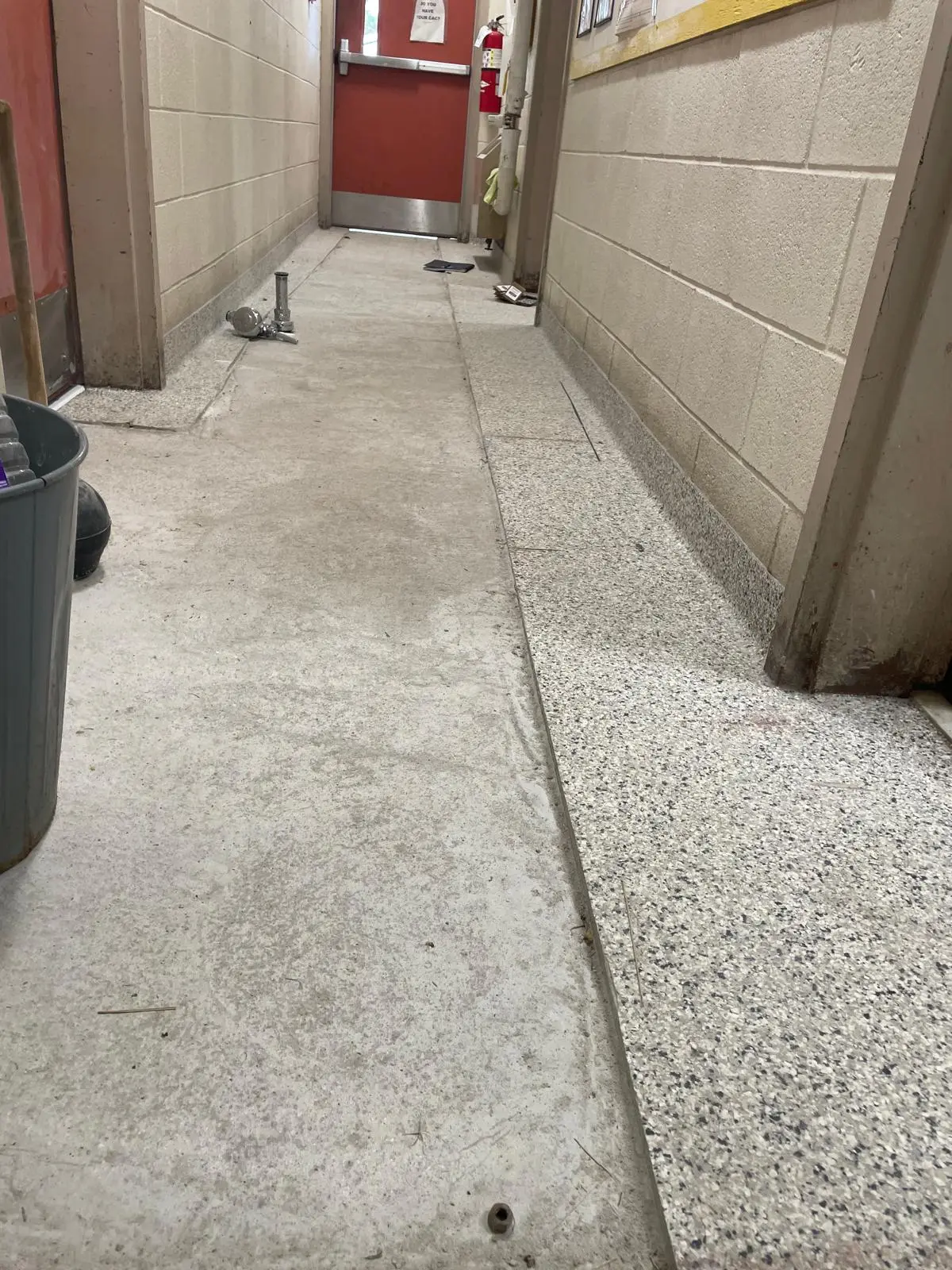
Using commercial diamond grinding equipment, we shave down the raised edge of an uneven joint or slab transition, tapering it to a flush, smooth surface. The result is a safe, level transition that eliminates the trip hazard without removing or replacing concrete.
Where We Work:
Sidewalks & Walkways — Raised panel edges and heaved joints on public and private sidewalks are ground to ADA-compliant transitions. This is commonly required by municipalities and property managers to meet accessibility standards and reduce liability.
Parking Lots & Curbs — Uneven curb transitions, wheel stop edges, and lifted asphalt-to-concrete joints are ground smooth to prevent pedestrian and vehicle damage.
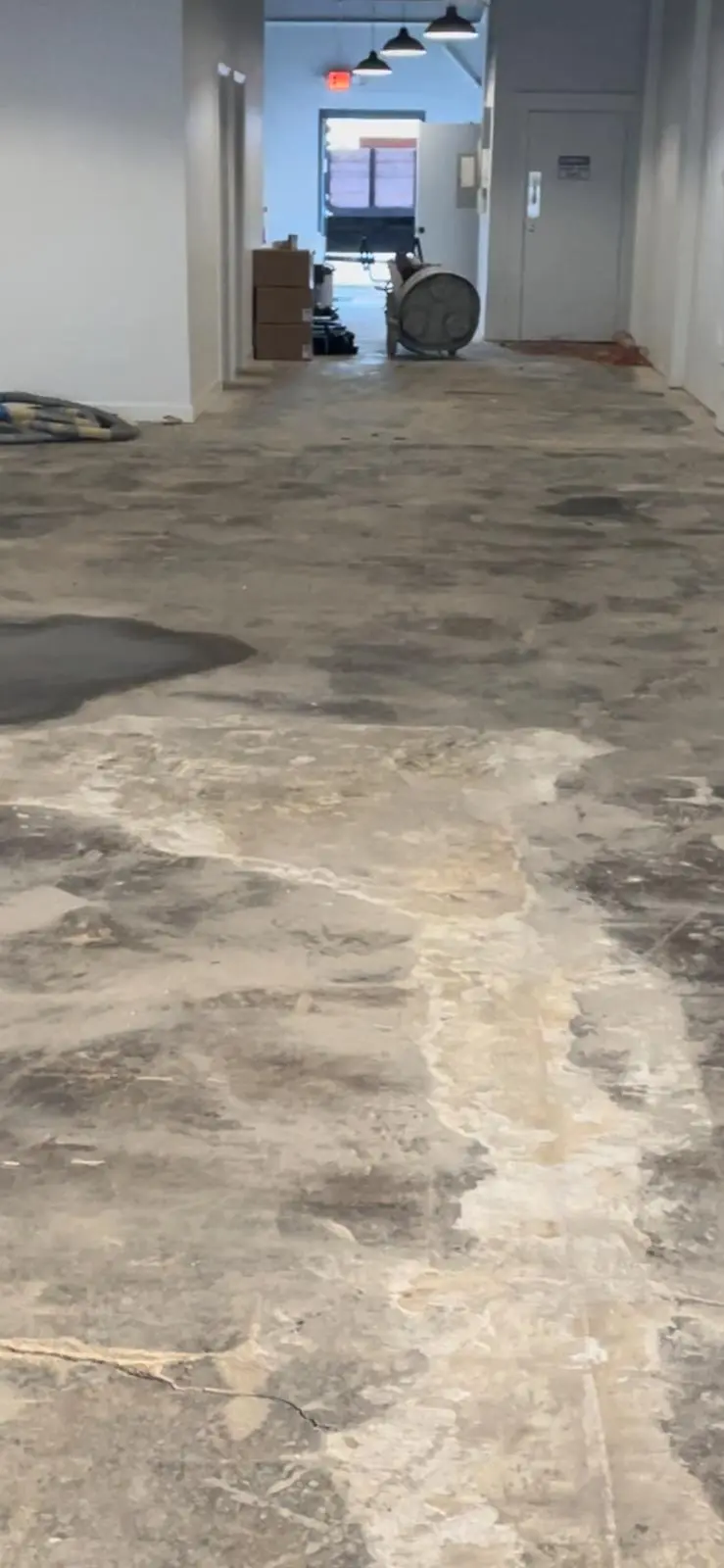
Commercial & Retail Properties — Entryways, loading docks, warehouse aisles, and retail walkways with uneven concrete joints are corrected to maintain safety and compliance.
Garage Floors & Driveways — Interior garage thresholds, driveway-to-sidewalk transitions, and uneven control joints are ground flush for safer pedestrian and vehicle access.
Industrial Facilities — Warehouse floors with uneven slab joints create hazards for forklifts, pallet jacks, and workers on foot. Grinding these joints flat improves safety and equipment performance.
The Process:
We assess the height differential and taper requirements, grind the raised edge to a smooth bevel, and clean the area. Most trip hazard corrections are completed in minutes per location — making it practical to address dozens of hazard points in a single visit.
The result is a safe, flush surface that meets ADA and OSHA requirements and eliminates the liability exposure of unaddressed trip hazards.
Unaddressed trip hazards expose property owners to serious slip-and-fall liability. Grinding hazards flush eliminates the risk and demonstrates proactive property maintenance.
Raised sidewalk joints and uneven transitions often violate ADA accessibility standards. Grinding brings surfaces into compliance without costly slab replacement.
Most individual hazard points are corrected in minutes. A full property walk with dozens of locations is typically completed in a single visit at a fraction of the cost of panel replacement.
Retail centers, office parks, warehouses, and industrial facilities with high foot traffic benefit most — where uneven concrete creates daily liability exposure.
When the slab structure is sound, grinding is all that's needed. There's no saw-cutting, hauling, forming, pouring, or curing time — just a precise, clean correction.
We survey the full property and flag every hazard location — not just the obvious ones. Many trip hazards are subtle height differentials that still meet the threshold for a trip-and-fall claim.
Find answers to the most common questions about our concrete tripping hazard grinding services. Don't see your question? Reach out — we're happy to help.
Trip hazard grinding uses diamond grinding equipment to shave down a raised concrete edge at a joint, expansion gap, or slab transition. The result is a smooth, flush, beveled surface that eliminates the trip hazard without removing or replacing the concrete.
ADA standards generally consider a vertical change of ½ inch or more at a walking surface to be a trip hazard. OSHA and most local codes have similar thresholds. Even smaller differentials — ¼ inch or more — can be actionable in slip-and-fall litigation, so it's worth addressing them proactively.
In most cases, yes — when the slab itself is structurally sound. Grinding is faster, significantly less expensive, and avoids the disruption of demolition, forming, pouring, and curing. Panel replacement is the right call when the slab is severely damaged, heaved by tree roots, or otherwise compromised.
We focus on concrete surfaces. For asphalt transitions and edges, patching or milling is typically more appropriate. If you have a concrete-to-asphalt joint issue, we can assess the situation and recommend the best approach.
Individual hazard corrections typically take 5–15 minutes per location. A commercial property with 20–30 hazard points can usually be completed in a single half-day visit. We'll give you a time and scope estimate before starting.
Serving Goldsboro, Mount Olive, Fremont, Pikeville, Dudley, Smithfield, Selma, Clayton, Wilson, Kinston, and the surrounding Wayne County area.
Call (919) 262-5355 or fill out our contact form. We'll schedule a time to walk the property, identify all hazard locations, and provide a detailed, no-obligation quote.
Based in Goldsboro, NC, we bring professional coating and concrete services to homes and businesses throughout the region.
+ Surrounding communities throughout the greater Goldsboro area